Great Space
Some sites ask to be transformed. Others ask to be understood. Palomino is the latter.
Set on 80 acres at the northwestern edge of the Great Basin, near the ancient expanse of Pyramid Lake, Palomino is a retirement compound for a couple who have chosen to live simply within a landscape that is anything but. The primary design goal is deceptively understated — for this garden to sit lightly and comfortably on the land.
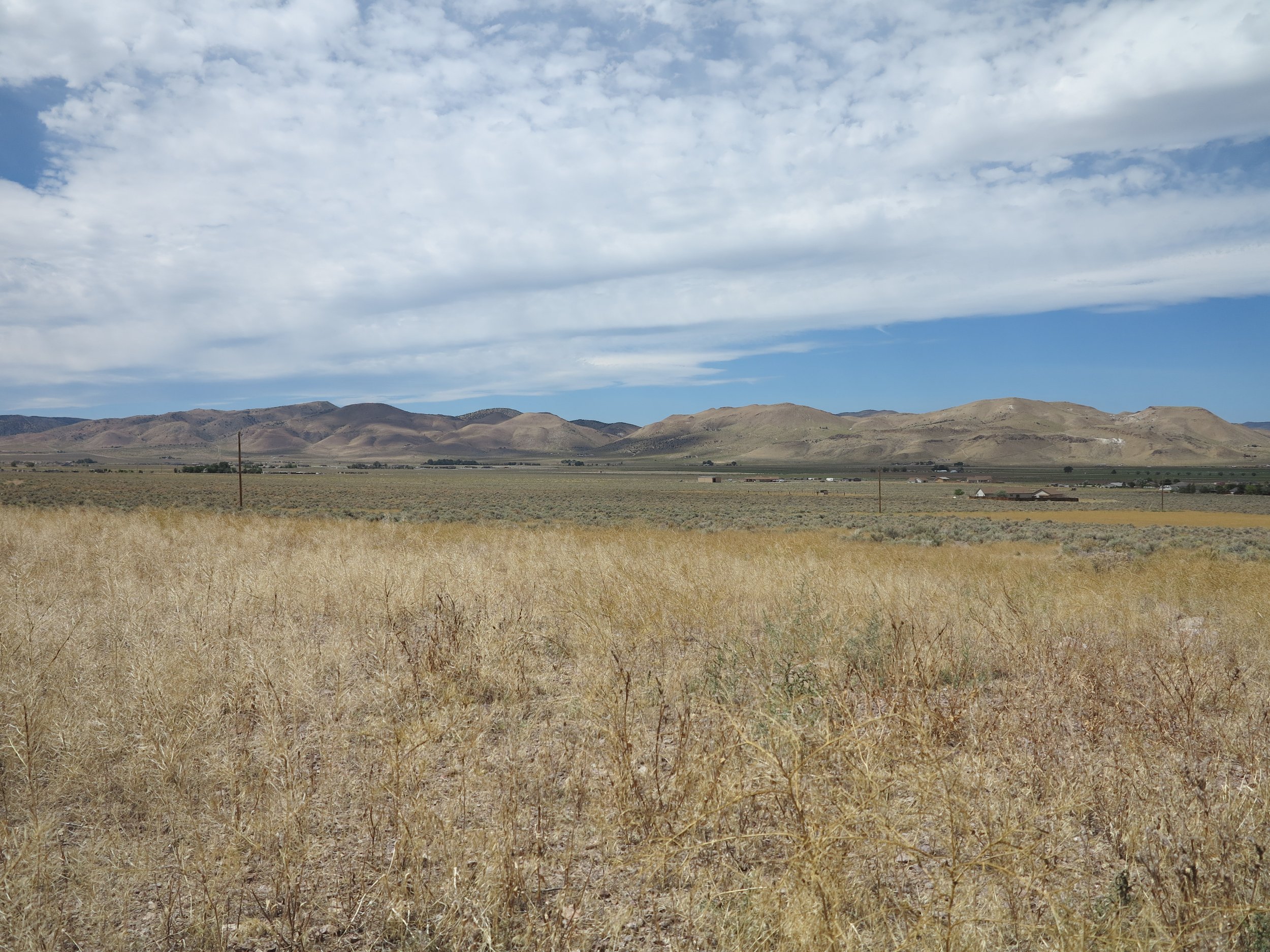
The Great Basin is not a landscape that tolerates pretense. It is vast, austere and indifferent to ornamentation. The native sagebrush that covers this site has its own logic, its own rhythm, its own relationship to water, wind and sky.
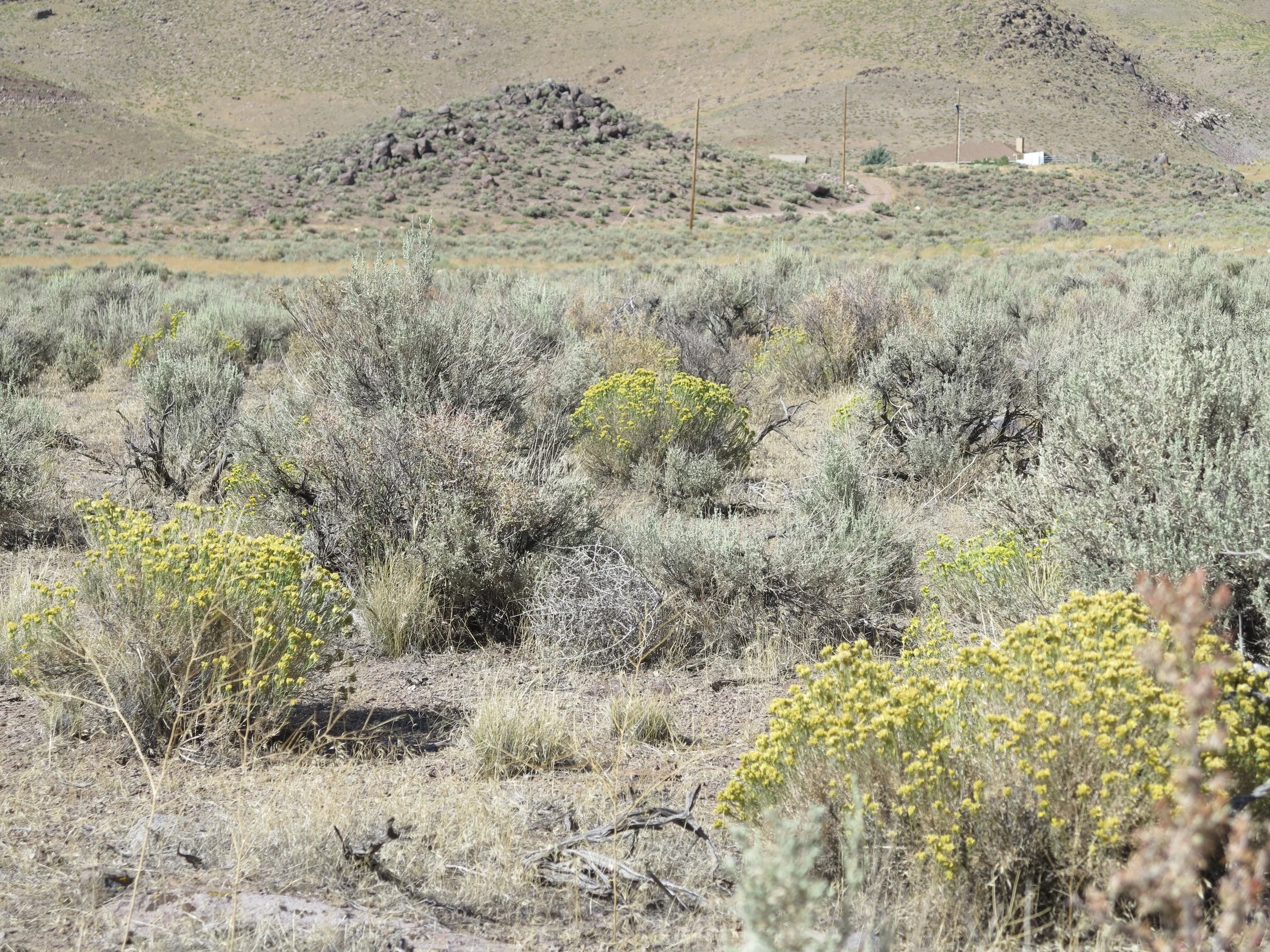
Twenty miles to the north, the Pyramid Lake Paiute Tribe has inhabited and understood this land for thousands of years — not as a backdrop but as a living system to be read, respected and moved through with care. That history doesn't announce itself loudly here. It hums beneath the surface of everything. A design that ignores it would be incomplete. Any design that imitates it superficially would be worse. The influence, like the land itself, needs to be felt more than seen.
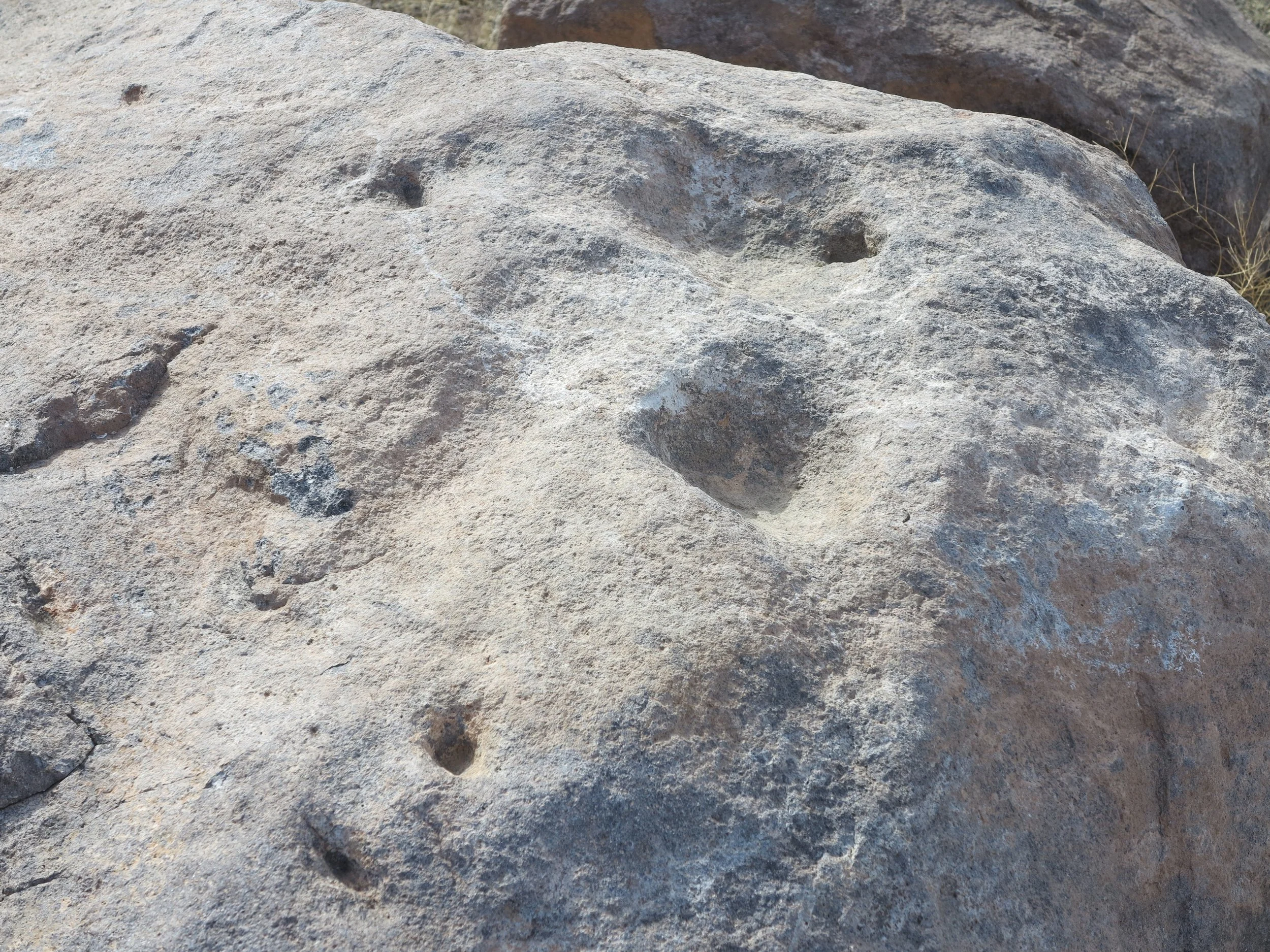
My first site visit in July 2023 began the process of listening. Before any ideation, the land gets to speak.
What it said first was this; the garden should never feel imposed. The most natural response to 80 acres of preserved Great Basin sagebrush is not to compete with it, but to establish a quiet hierarchy moving outward from the developed core. Most articulated at the threshold. Most natural at the edges. Between the two, a transition that dissolves the boundary between the designed and the wild — the way the light dissolves into the basin at dusk.
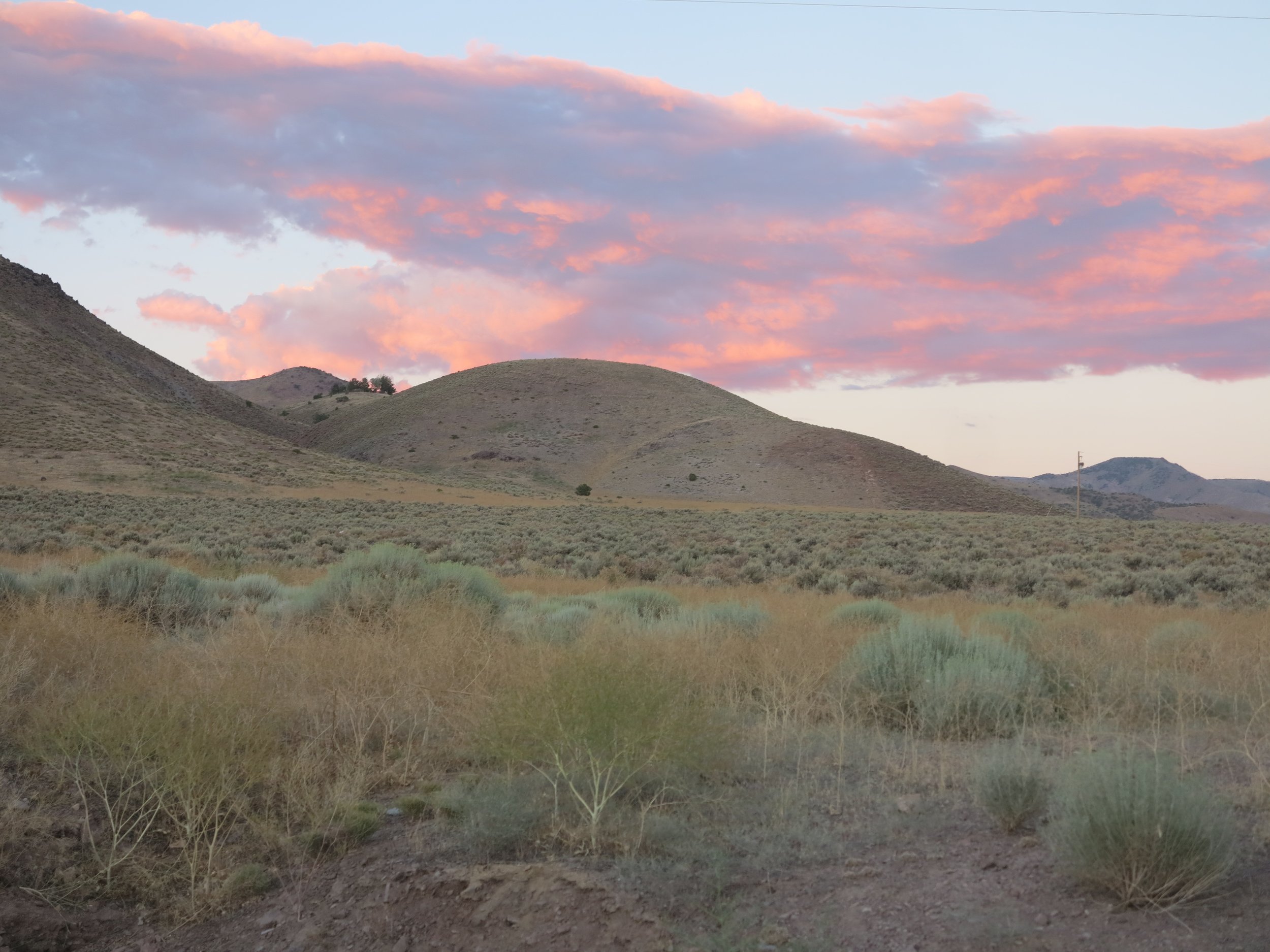
The site also speaks in views. To the west and to the east, the landscape opens into expansive and broad. Those views are not incidental — they are structural. The design will organize itself around them, framing what deserves to be seen and quietly turning away from what doesn't.
Arrival to the home is important. How one arrives to a place this elemental should feel considered and intentional — a sequence that prepares you for the landscape rather than depositing you into it. The approach, the transition from car to garden to house, is its own small design challenge.
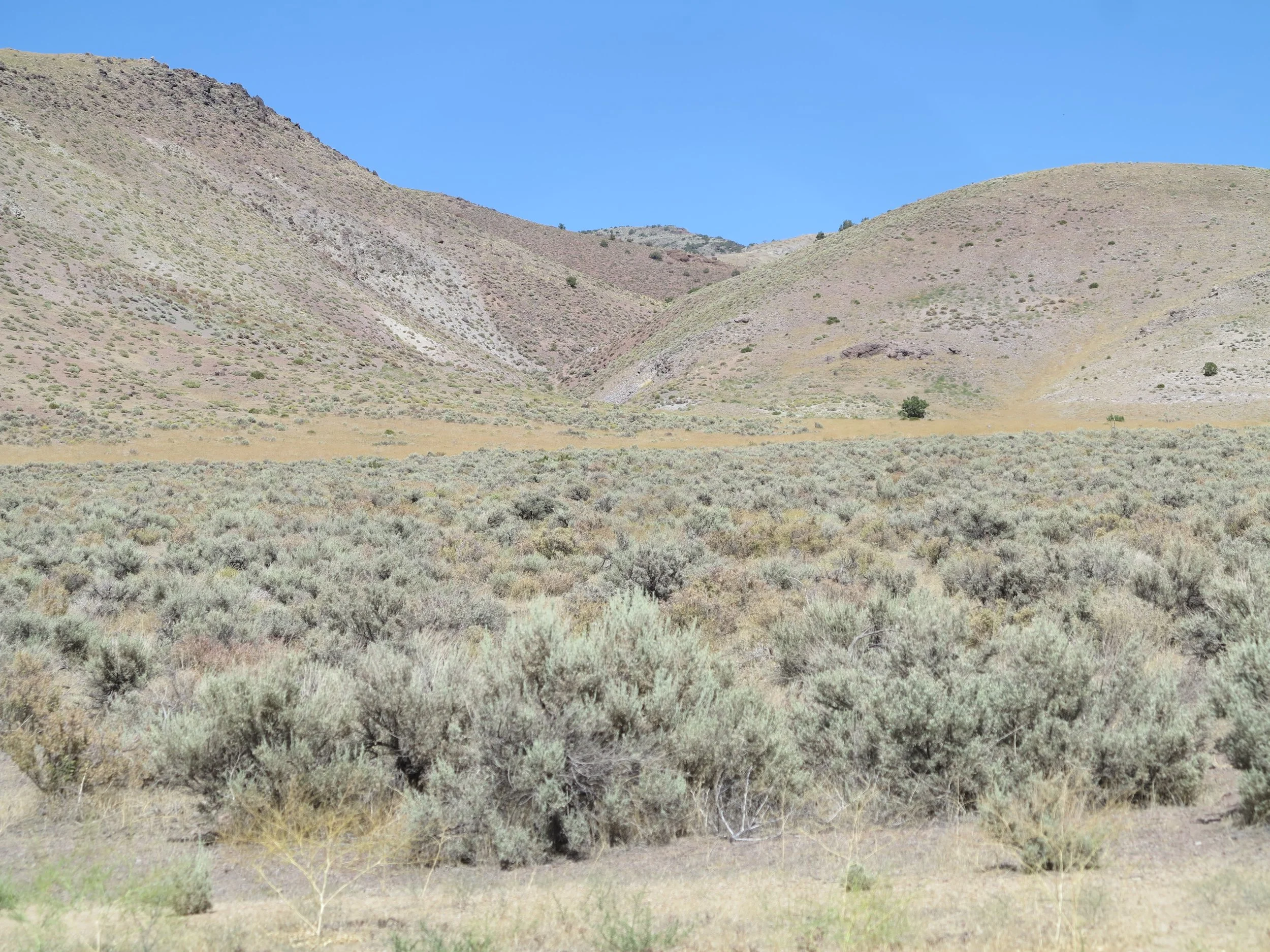
Sitting lightly on the land is both a design principle and a philosophy. It asks us to listen before speaking, to understand before proposing, to respect what was here long before the project began.
Palomino is still being discovered. The sketches will come. But the land has already offered its first instructions — and the best response is simply to pay attention.